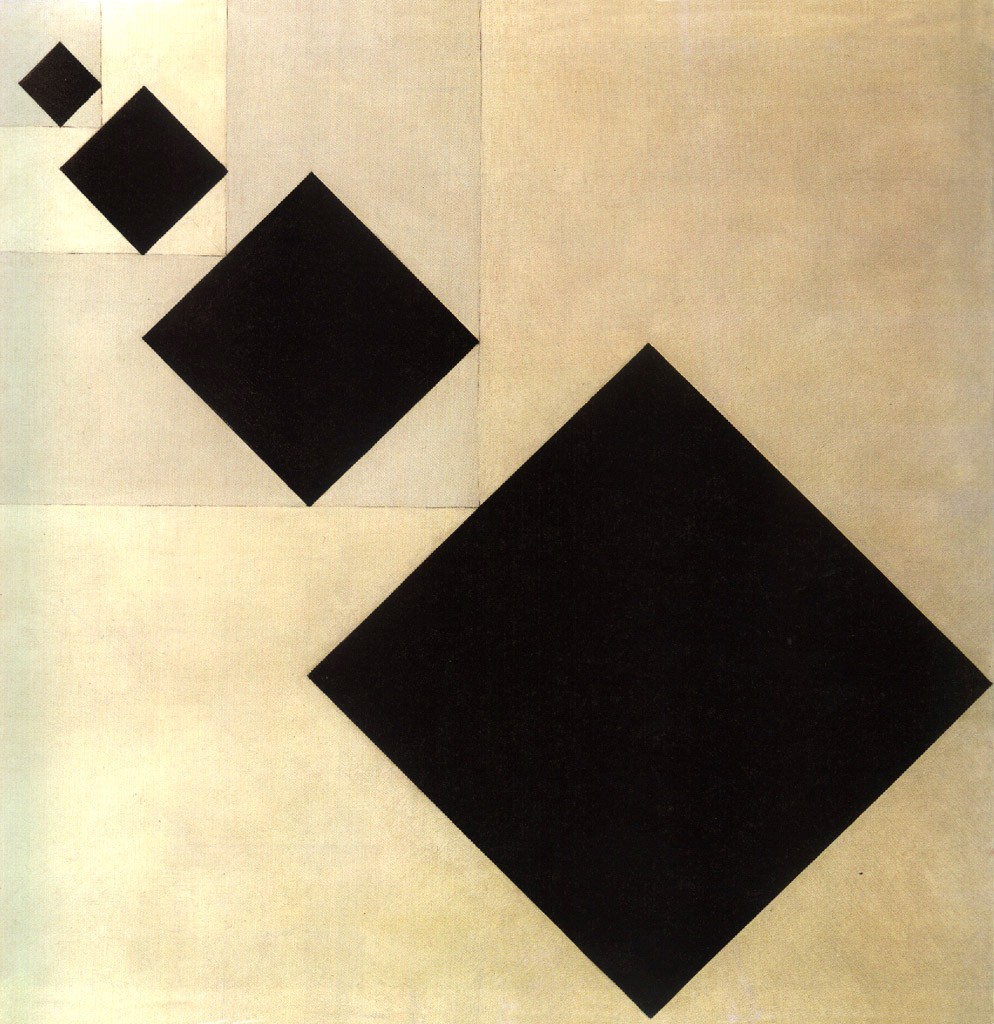
Image Credit: Arithmetic Composition, 1930, Theo van Doesburg
Boston
September
2025
Boston
,
USA
Our recap
DATAKAMER 2025 takeaways include:
Research institutions are curating datasets with standardized metadata, investing in platforms that make data discoverable and reusable, and designing governance to ensure reproducibility.
Quantum computing is already being implemented in pilot workloads to lower total costs by reducing workload size, time and energy consumption. Mainstream adoption is expected to be gradual but is anticipated to expand within this decade.
Long-lived media, such as ceramics, and automation of tape systems, as well as cloud models that eliminate egress penalties, show promise for reducing migration cycles by dramatically extending media lifespans.
New gens of LTO tape remain the most cost-effective long-term storage option, with automation making it a practical and sustainable solution.
Moving away from egress fees and unpredictable billing is critical. Predictable cloud pricing models are helping institutions plan more effectively.
“This inaugural event marks the beginning of something more expansive. The vision is to support and grow DATAKAMER into a mainstay event where technical rigor and creative inquiry are not only compatible, but essential for shaping, storing and sharing knowledge in an era characterized by accelerated change,” said Lohrey.
The DATAKAMER name riffs on the Enlightenment kunstkammer, the cabinet of wonders where art, science, and invention collided. DATAKAMER follows that tradition: a living collection of ideas and technologies redefining how data is built, stored, shared and reimagined.